UNITE at the 79th World Health Assembly

 
From 18-23 May, delegates from around the world gathered for the 79th World Health Assembly in Geneva to determine policy for the World Health Organization and engage in side-events to advance international cooperation around global health.  

UNITE’S Participation

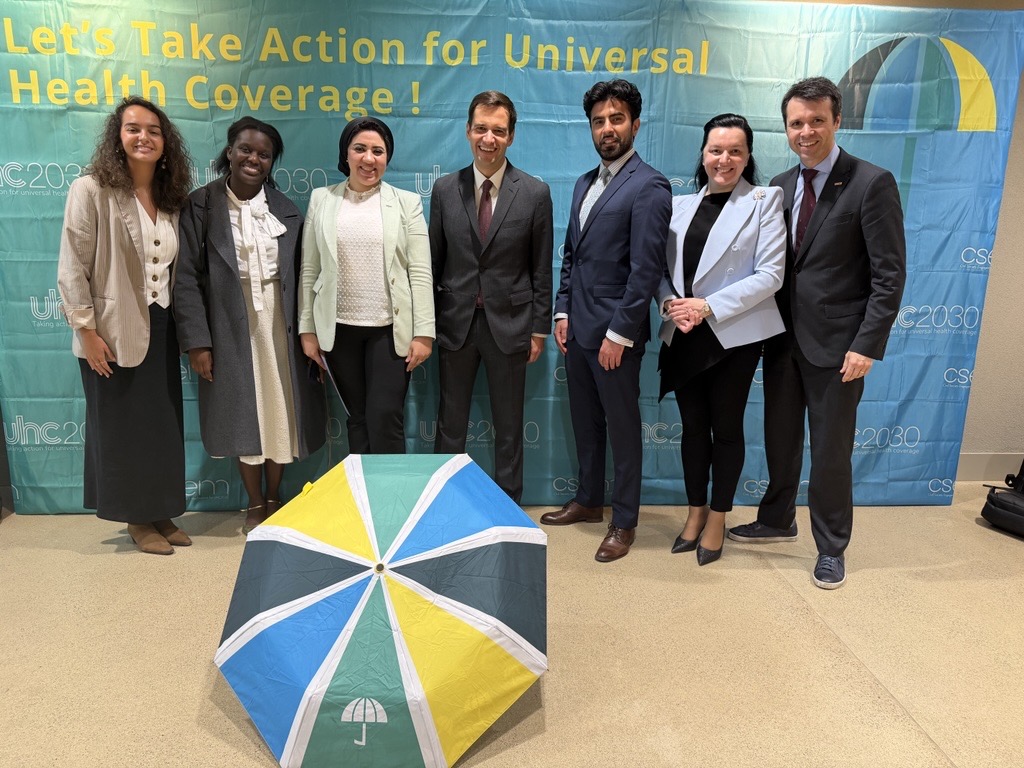
A UNITE delegation, composed of five Members, attended WHA79 to discuss areas of collaboration in global health and parliamentary efforts to advance evidence-based health policy.  

UNITE organized and co-sponsored multiple side-events, and UNITE Members intervened at many others. Read more on the sessions we hosted below: 

Mental Health

Mental health was a central thread running through UNITE’s participation at WHA79 – following on from last year’s historic UN High-Level Meeting on NCDs and Mental Health and incorporating the work of UNITE’s Mental Health Policy Desk. UNITE co-organized and co-sponsored three dedicated side events.

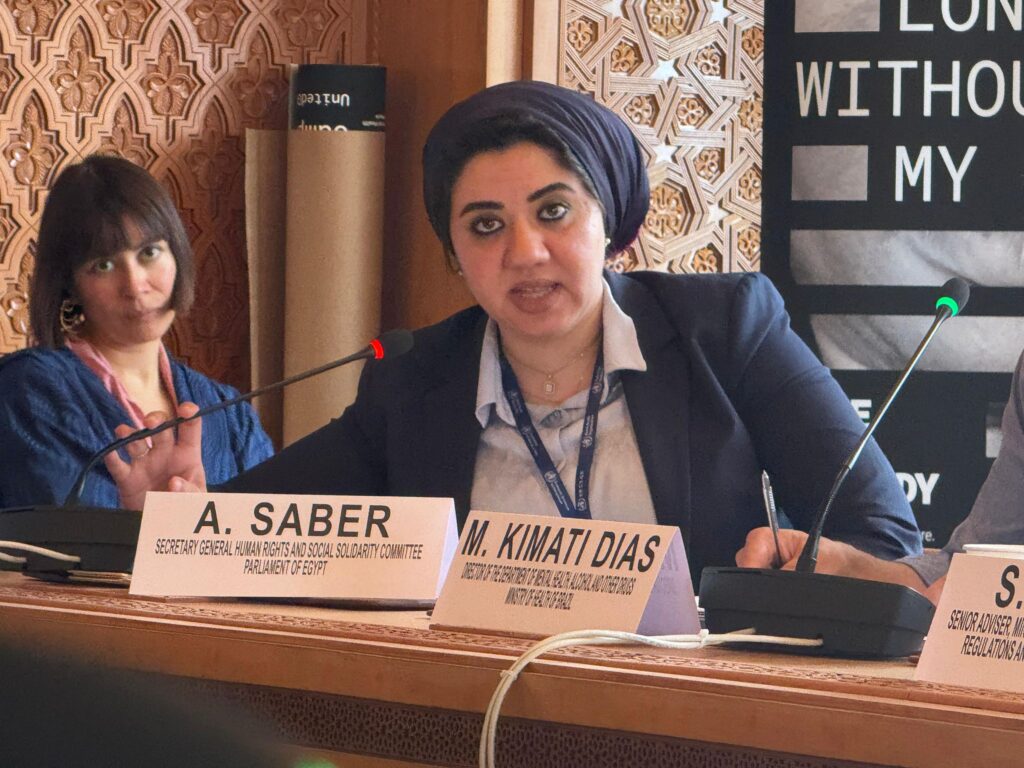
Care Not Custody – A Human Rights Based Approach to Mental Health Across the Life Course

Co-sponsored with the UN High Commissioner for Human Rights and United for Global Mental Health, this session at the Palais des Nations made an urgent case: mental health care must be grounded in human rights, not coercion. 

Against the backdrop of a newly adopted UN Human Rights Council resolution on mental health, discussions focused on accelerating the shift from institutionalisation towards community-based, person-centred models. 
 
The event also marked the launch of the global “Care Not Custody” campaign.
 
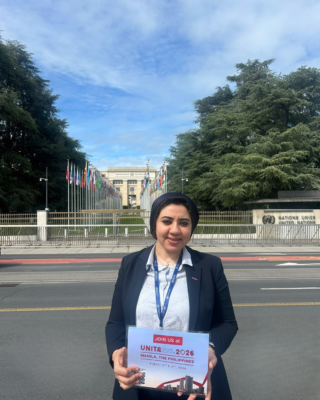
UNITE’s Chapter Chair for the Middle East & North Africa, Hon. Amira Saber, delivered a parliamentary intervention highlighting that legislation and accountability mechanisms are the key tools for making this shift a reality. 

Protecting the Mental Health of Children and Young People in the Digital World 

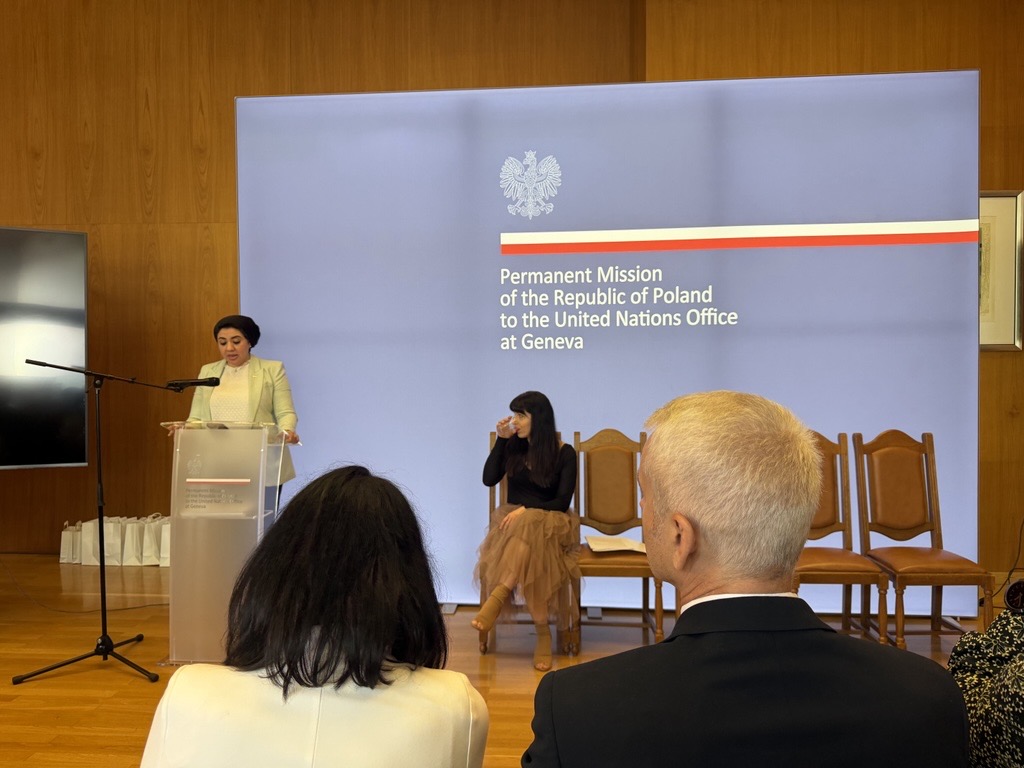
Co-organised with the Ministries of Health of Poland and Cyprus, the Government of Australia, and the Orygen Institute, this breakfast event at the Polish Mission tackled the effects of algorithm-driven platforms on children and adolescents – including cyberbullying, sleep disruption, exposure to harmful content, and the governance gaps around AI mental health tools. 

Hon. Amira Saber brought a sharp parliamentary lens to the debate, raising the growing online radicalisation of young men, the risks of unregulated AI chatbots, and the urgent need for platform accountability – particularly across the Global South. 

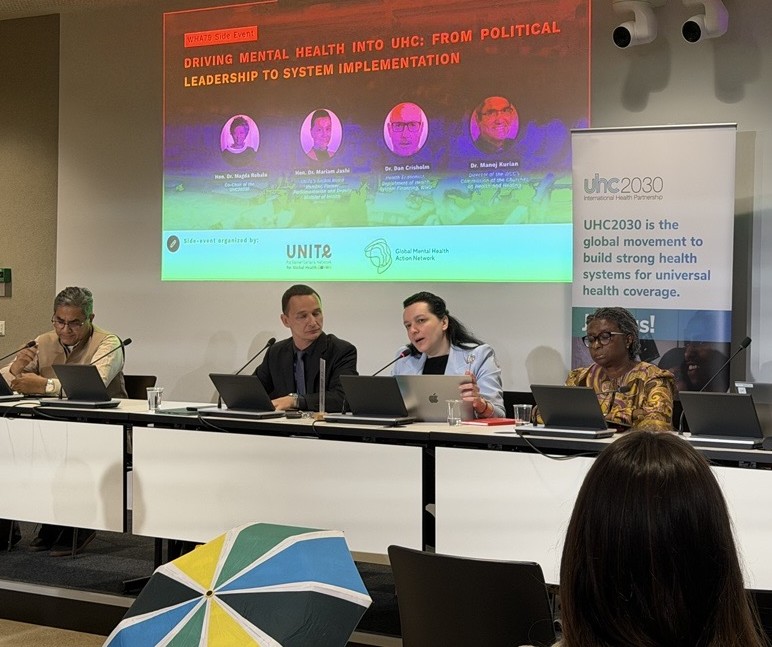
Driving Mental Health into UHC   

Co-hosted with the Global Mental Health Action Network, at the Civil Society Networking Space, this session explored the persistent gap between political commitments and real-world implementation. UNITE’s Founder & President, Dr. Ricardo Baptista Leite, opened the event by stressing the role of parliamentarians in securing financing, legislating reform, and holding systems accountable. 

Hon. Mariam Jashi, UNITE’s Chapter Chair for Eastern Europe & Central Asia, noted that despite growing political recognition, mental health remains significantly underfunded in most countries. The message across all three events was consistent: political commitments are no longer the constraint, but delivery. 

Chronic Obstructuve Pulmonary Disease (COPD)

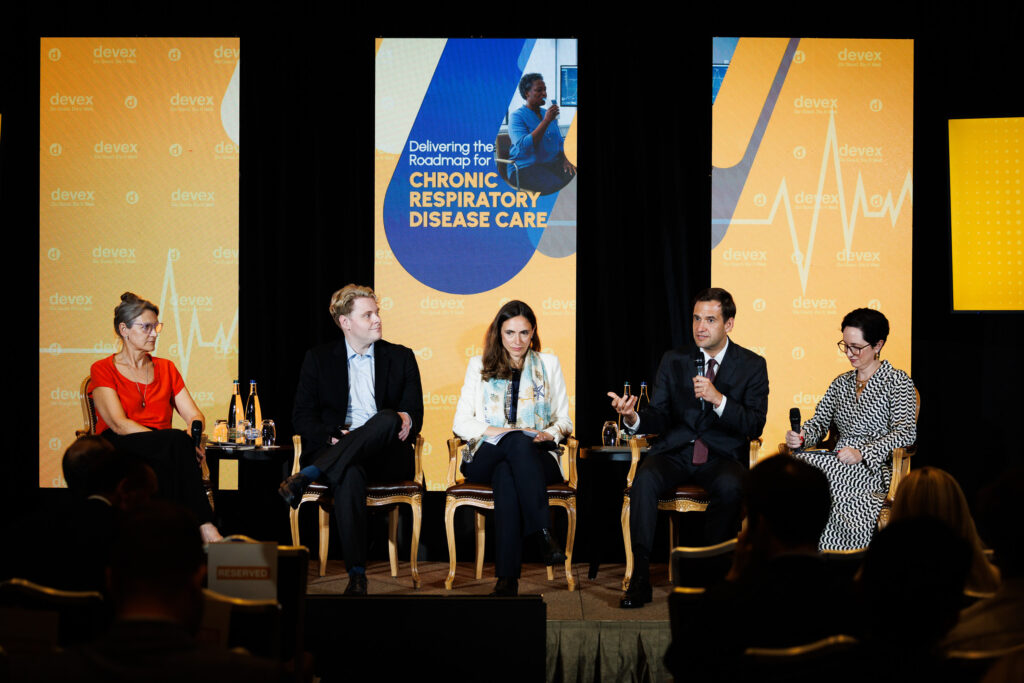
Delivering the Roadp Map for Chronic Respiratory Disease Care

Dr. Ricardo Baptista Leite also intervened at a Devex/Sanofi/Regeneron event on chronic respiratory disease, focusing on translating global commitments into action on prevention, diagnosis, and treatment. 

Sepsis 

Protecting 26 Million Women and 20 Million Children from Sepsis: A Global Health Imperative 

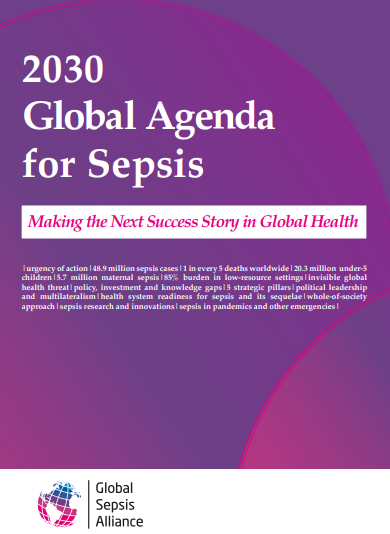
UNITE co-sponsored an official WHA79 side event — “Protecting 26 Million Women and 20 Million Children from Sepsis” — with the Global Sepsis Alliance, the Medical Women’s International Association, and Sepsis Stiftung. Dr. Baptista Leite and Hon. Mariam Jashi both addressed the session and presented the newly launched 2030 Global Agenda for Sepsis, a multi-year strategic plan to reduce sepsis’s immense human and economic burden. 

Read the 2030 Global Agenda for Sepsis

WHA Global Parliamentary Forum 

From Commitment to Action: Advancing Parliamentary Leadership for the WHO Pandemic Agreement Implementation and Sustainable Financing for Health

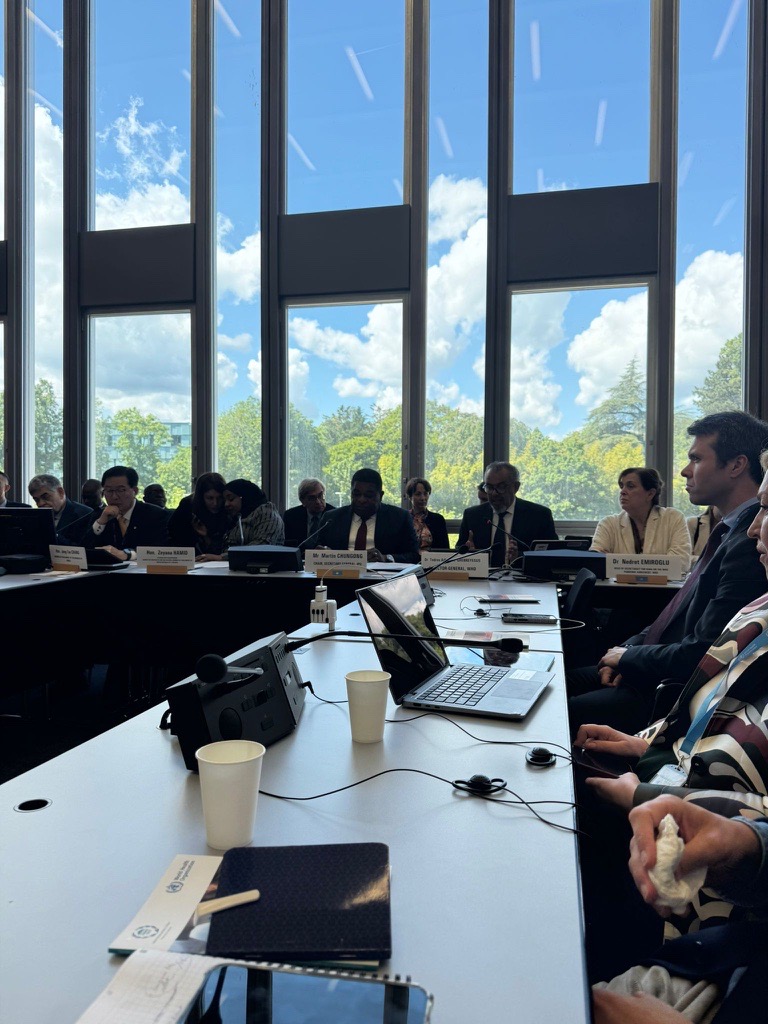
At the WHA Global Parliamentary Forum, co-organized by the WHO and the Inter-Parliamentary Union (IPU), UNITE reinforced the critical role of parliamentary leadership in advancing global health action. Speaking at the forum, Dr. Ricardo Baptista Leite, Founder and President of UNITE, called on parliamentarians worldwide to act as “the conscience of politics” by championing health policies that reflect the needs of people across political divides. 

After technical presentations from experts on the two main topics of discussion, select parliamentarians such as UNITE Member, Hon. Ashraf Hatem from Egypt, higlighted how their respective countries are spearheading progress both in support of the WHO Pandemic Agreement and the PABS discussions, and on dosmetic resource mobilization for health. 

Key Outcomes from WHA79 for Parliamentarians 

At the Assembly, member states adopted more than 20 decisions and 13 resolutions covering a broad range of health priorities. WHO resolutions are not binding law – but they are powerful political commitments. They shape national action plans, WHO budgets, and donor priorities. Parliamentarians are the bridge between WHO agreements and domestic legislation.  

Here are some of the key outcomes requiring parliamentary follow-up: 

  • Strategy on Antimicrobial Resistance (AMR) — Global Action Plan 2026–2036: Member states approved the second-generation Global Action Plan on AMR, targeting a 10% reduction in bacterial AMR-associated deaths and reduced antimicrobial use in agrifood systems by 2030. AMR already kills more people than HIV or malaria. This demands cross-sectoral legislation across health, agriculture, and the environment – a “One Health” approach that parliaments must own.
  • Resolution on Steatotic Liver Disease: A resolution was adopted addressing steatotic liver disease which is one of the fastest-growing causes of liver failure globally, closely linked to obesity, diabetes, and metabolic syndrome. For parliaments, this is a call to act on prevention through food policy, sugar taxation, physical activity promotion, and strengthened primary care pathways for early detection.
  • Global Health Architecture Reform: Member states agreed to reform WHO’s global health architecture through a member state-led, WHO-hosted joint process building on the UN80 Initiative. This is significant as it could reshape WHO’s mandate, financing, and accountability mechanisms.
  • Economics of Health for All (2026–2030): The Assembly adopted a strategy to embed health into economic, fiscal, and industrial policy – not just health ministry budgets. This is a mandate for finance committees and economic planning bodies, not just health committees.
  • Health Workforce & Ethical Recruitment: Amendments to the WHO Global Code on International Recruitment of Health Personnel now cover care workers and emergencies, and call for co-investment to ensure source countries benefit from international recruitment. This is relevant to migration law, care sector regulation, and workforce planning.
  • Further resolutions were passed on: tuberculosis, radiology, strokes, emergency and critical care, neglected tropical diseases, haemophilia, pharmacovigilance, precision medicine, and diagnostic imaging — each signalling where WHO expects national health systems to invest.

What Next?


In his closing remarks, WHO Director-General, Dr. Tedros Adhanom Ghebreyesus, urged member states to translate resolutions into action without delay, stressing that achieving global health goals requires political commitment, sustained financing, and continued cooperation. That call is directly to parliamentary action. 

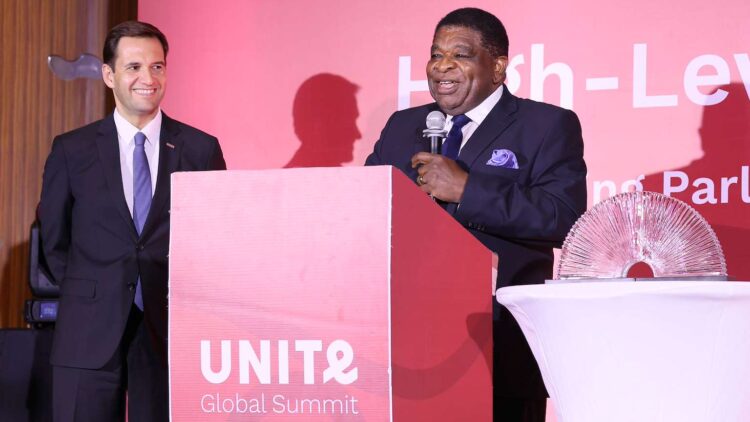
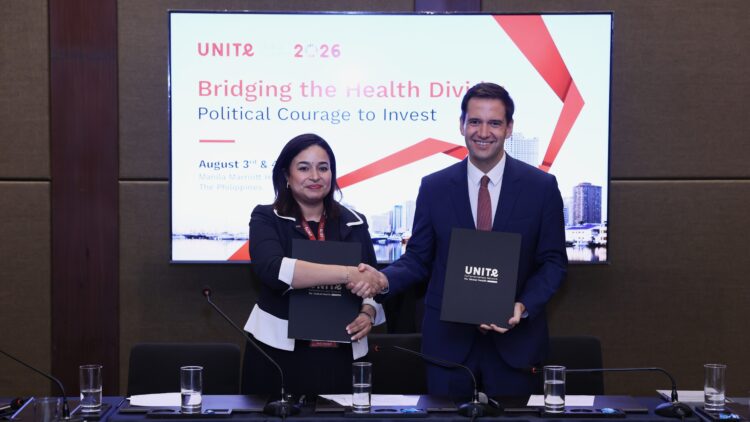
The strategies for how to turn WHO resolutions into funded domestic policy, will be central to discussions on “Bridging the Health Divide: Political Courage to Invest”, held at the UNITE Global Summit 2026. 

UNITE’s flagship Summit, taking place on August 3rd & 4th 2026 in Manila, The Philippines, will convene parliamentarians from across the world with global health leaders, technical experts, and partners to define national and regional implementation strategies for the agreements made in Geneva with a focus on sustainable financing for health.  

Find out more and register now on the UNITE Global Summit website: https://globalsummit.unitenetwork.org/2026/ 
share it