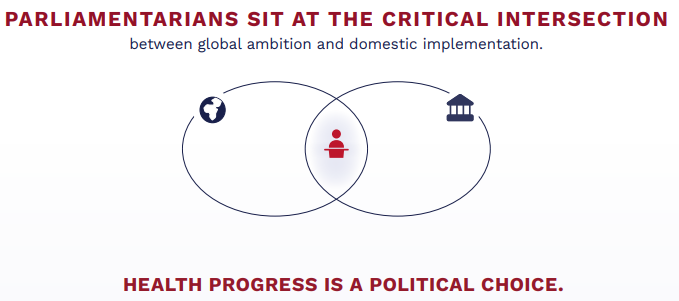
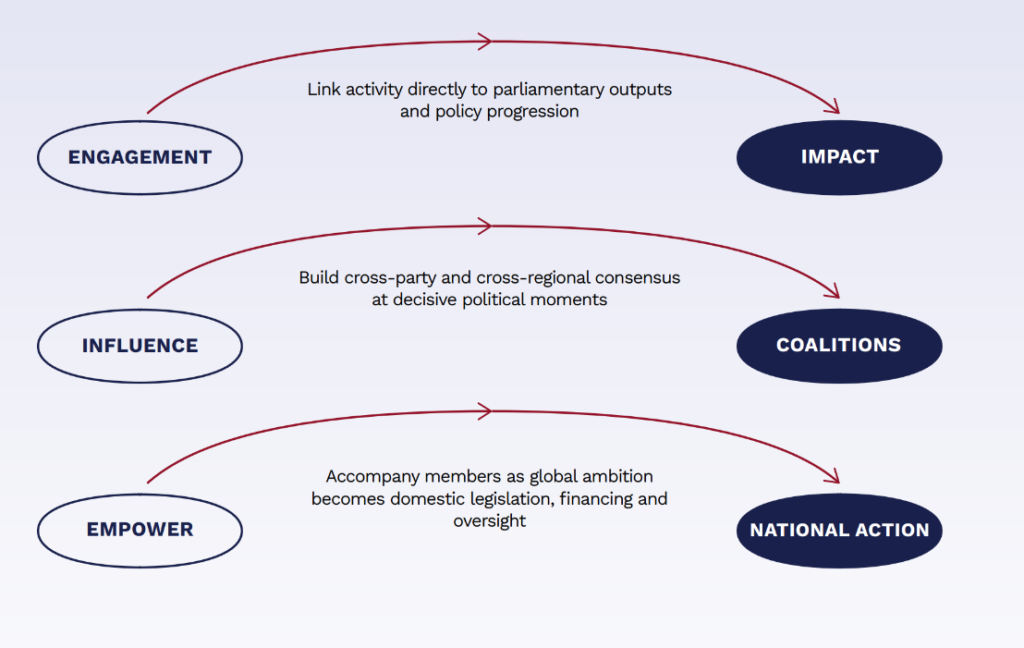
Global health is entering a period of structural transition. External financing is tightening, trust is scarse, power is shifting towards national and regional actors, trust in institutions and science is under pressure, and health challenges are increasingly shaped by security, climate, technology and wider economic forces. Yet international agreements and technical solutions can only achieve impact when they are translated into national laws, budgets and effective oversight.
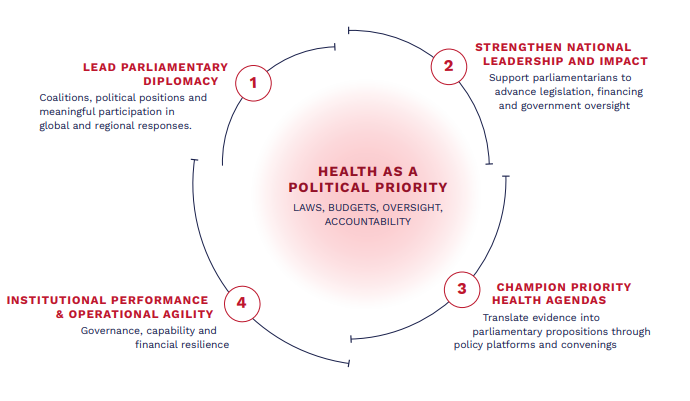
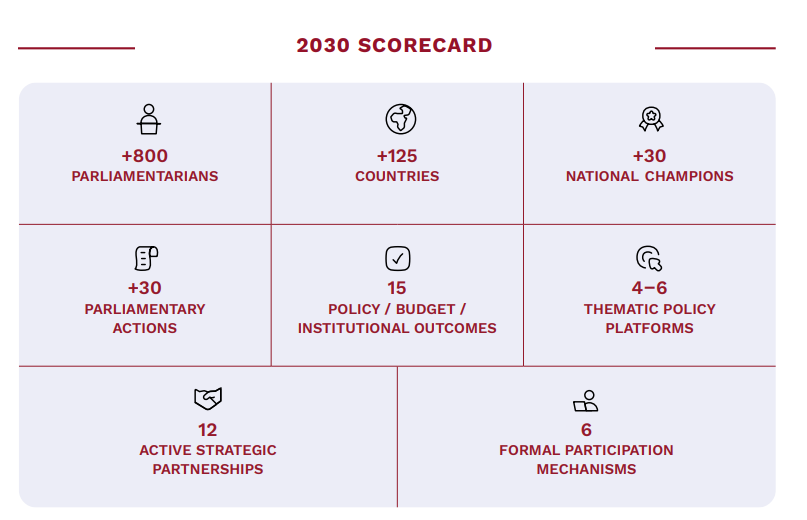
It is in this context that UNITE Parliamentarians Network for Global Health has launched its Strategy 2026–2030: Health as a Political Choice. A forward-looking framework that sets out how UNITE will build the political infrastructure needed to turn global health ambitions into national reality.
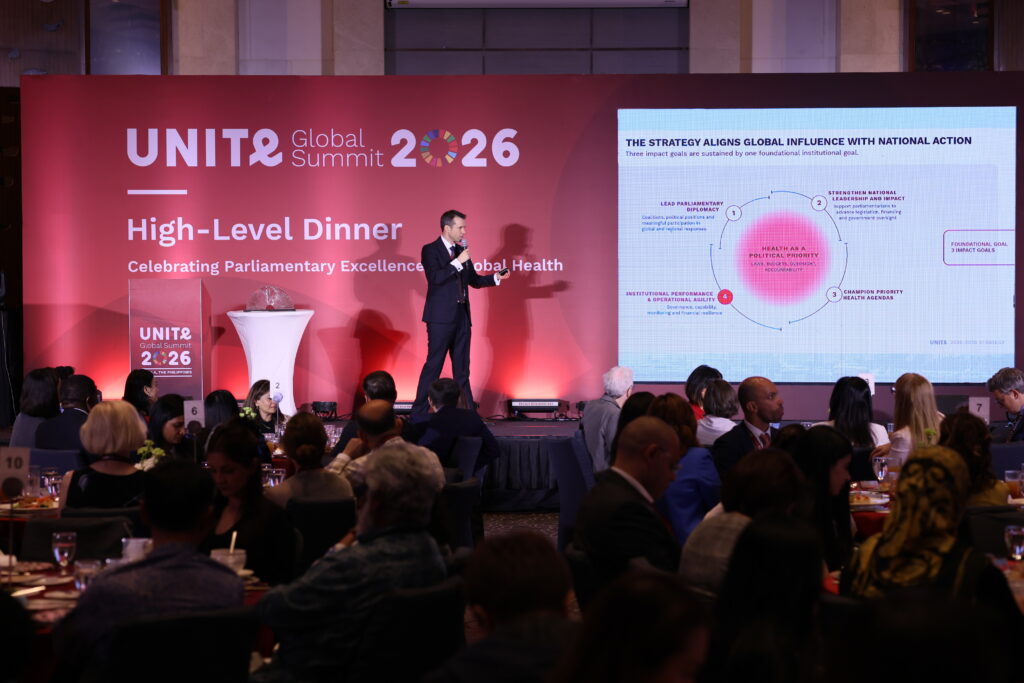
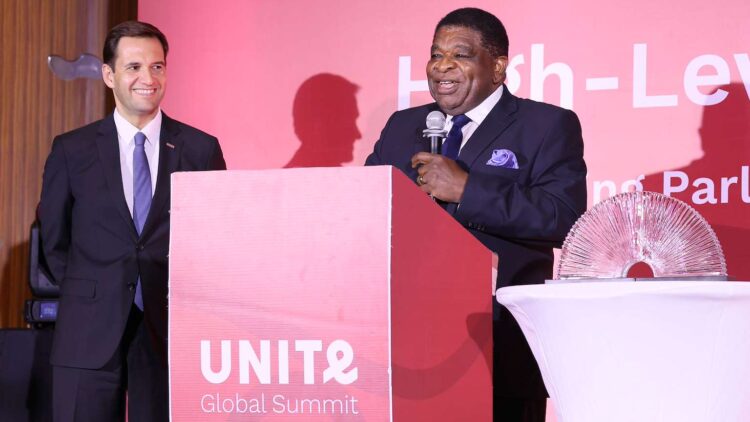
The strategy was officially presented by UNITE Executive Director Dr. Guilherme Duarte at the UNITE Global Summit 2026 in Manila, The Philippines, on August 3rd before an audience of parliamentarians, global health leaders, and partners from more than 40 countries.