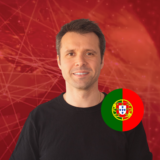
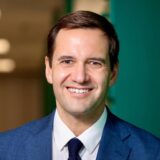
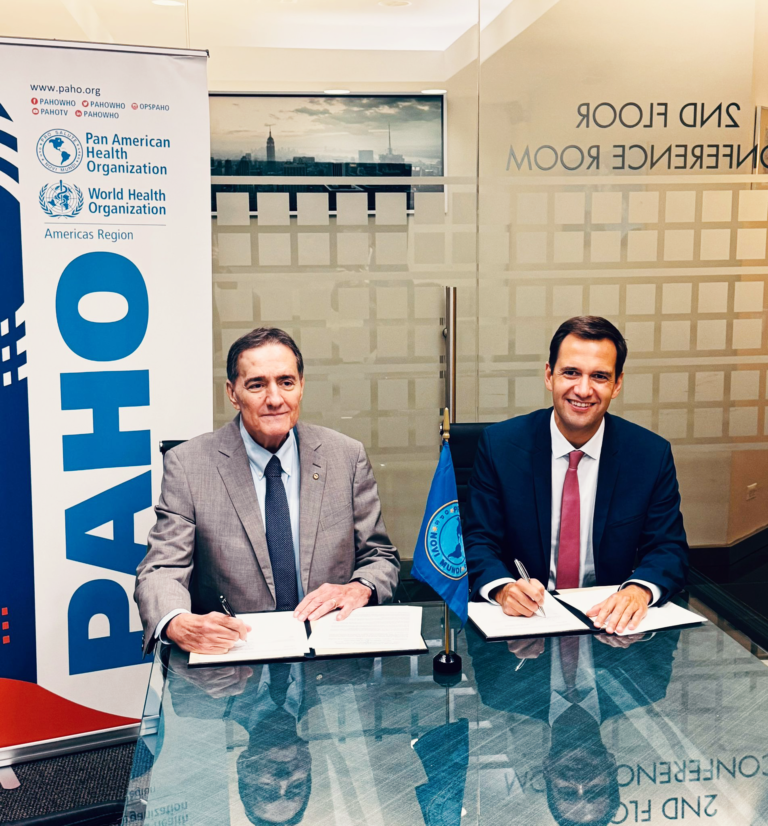
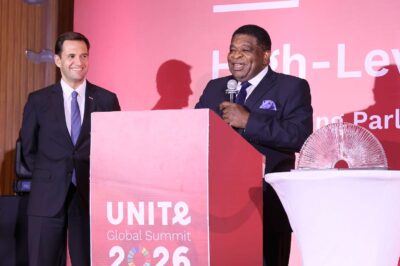
Guilherme is UNITE’s Executive Director, a medical doctor with a specialization in Public Health. He has gained significant experience in Diplomacy, Policymaking, and Global Health, having served as a Diplomat in Geneva overseeing health affairs for the Portuguese Government, including during its EU Council Presidency. He has previously worked in the Cabinet of Government, consulted for WHO in LMICs, completed the ECDC Fellowship Programme in Field Epidemiology, and managed various health emergencies at local, national, and international levels. Additionally, Guilherme collaborates with various faculties and public health schools. He is passionate about global health, health systems governance, and emerging challenges like population and environmental changes and their impacts, economic sustainability, and Universal Health Coverage. These challenges sparked his growing interest in management, leading him to pursue an executive MBA, which he is currently completing at Maastricht University. Outside of work, Guilherme is married and has just welcomed his first children — twins, a baby boy and girl. He was already a happy dog parent to a lofty flat-coated retriever named Toki. He enjoys running with music, playing team sports, and occasionally video gaming. When time allows, he also enjoys scuba diving. His favourite way to unwind is by cooking dinner for friends.
open bio
Guilherme is UNITE’s Executive Director, a medical doctor with a specialization in Public Health. He has gained significant experience in Diplomacy, Policymaking, and Global Health, having served as a Diplomat in Geneva overseeing health affairs for the Portuguese Government, including during its EU Council Presidency. He has previously worked in the Cabinet of Government, consulted for WHO in LMICs, completed the ECDC Fellowship Programme in Field Epidemiology, and managed various health emergencies at local, national, and international levels. Additionally, Guilherme collaborates with various faculties and public health schools. He is passionate about global health, health systems governance, and emerging challenges like population and environmental changes and their impacts, economic sustainability, and Universal Health Coverage. These challenges sparked his growing interest in management, leading him to pursue an executive MBA, which he is currently completing at Maastricht University. Outside of work, Guilherme is married and has just welcomed his first children — twins, a baby boy and girl. He was already a happy dog parent to a lofty flat-coated retriever named Toki. He enjoys running with music, playing team sports, and occasionally video gaming. When time allows, he also enjoys scuba diving. His favourite way to unwind is by cooking dinner for friends.
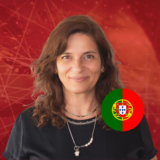
Andreia is a strategic leader with 22 years of experience coordinating a Portuguese NGO in the field of HIV/AIDS and Viral Hepatitis, with solid experience in managing intersectoral projects. She is recognized for her inclusive leadership, cultural and social empathy, and has a proven track record of organizational modernization and innovation with relevance and competitiveness, both nationally and internationally, aligned with the Sustainable Development Goals (SDGs) of the 2030 Agenda.
Andreia was a consultant for two of the largest municipalities in the Lisbon metropolitan area, Cascais and Oeiras, for the international Fast Track Cities project, a global UNAIDS initiative aimed at accelerating urban responses to HIV, viral hepatitis, and other related conditions, with the goal of eliminating these epidemics as public health threats by 2030. She had the opportunity to create and mediate with various other stakeholders, from diverse profiles, including public and private sectors, as well as central and local government. Her commitment is to social responsibility and her ongoing desire is to transform reality for the benefit of the common good.
Health, policies, and the arts are her crushes.
Chair
Head of People and Resources
open bio
Andreia is a strategic leader with 22 years of experience coordinating a Portuguese NGO in the field of HIV/AIDS and Viral Hepatitis, with solid experience in managing intersectoral projects. She is recognized for her inclusive leadership, cultural and social empathy, and has a proven track record of organizational modernization and innovation with relevance and competitiveness, both nationally and internationally, aligned with the Sustainable Development Goals (SDGs) of the 2030 Agenda.
Andreia was a consultant for two of the largest municipalities in the Lisbon metropolitan area, Cascais and Oeiras, for the international Fast Track Cities project, a global UNAIDS initiative aimed at accelerating urban responses to HIV, viral hepatitis, and other related conditions, with the goal of eliminating these epidemics as public health threats by 2030. She had the opportunity to create and mediate with various other stakeholders, from diverse profiles, including public and private sectors, as well as central and local government. Her commitment is to social responsibility and her ongoing desire is to transform reality for the benefit of the common good.
Health, policies, and the arts are her crushes.
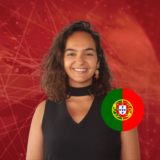
Joana is currently the Head of Partnerships at UNITE, where she plays a key role in fostering impactful collaborations with parliamentarians around the world. She holds a Master’s degree in Pharmaceutical Sciences from the University of Lisbon and is currently pursuing a Master’s in Political Science at ISCTE-IUL, aiming to further strengthen her work at the intersection of health and policy.
Prior to joining UNITE, Joana worked in Regulatory Affairs Study Start-Up (RASSU), focusing on clinical trials and observational studies. Since joining UNITE, she has successfully led two editions of the organization’s flagship event – the UNITE Global Summit – and has taken on increasing responsibilities in partnerships and project management. Her work centers on creating dynamic engagement opportunities within the parliamentary network to advance global health agendas.
Joana brings valuable experience from her involvement in both national and international student-led organizations, where she actively promoted and advocated for global health issues. She has successfully translated this advocacy background into her current role in an international NGO setting.
An avid solo traveller, Joana is passionate about discovering new cultures and perspectives – an experience that mirrors her work at UNITE in building connections across borders.
open bio
Joana is currently the Head of Partnerships at UNITE, where she plays a key role in fostering impactful collaborations with parliamentarians around the world. She holds a Master’s degree in Pharmaceutical Sciences from the University of Lisbon and is currently pursuing a Master’s in Political Science at ISCTE-IUL, aiming to further strengthen her work at the intersection of health and policy.
Prior to joining UNITE, Joana worked in Regulatory Affairs Study Start-Up (RASSU), focusing on clinical trials and observational studies. Since joining UNITE, she has successfully led two editions of the organization’s flagship event – the UNITE Global Summit – and has taken on increasing responsibilities in partnerships and project management. Her work centers on creating dynamic engagement opportunities within the parliamentary network to advance global health agendas.
Joana brings valuable experience from her involvement in both national and international student-led organizations, where she actively promoted and advocated for global health issues. She has successfully translated this advocacy background into her current role in an international NGO setting.
An avid solo traveller, Joana is passionate about discovering new cultures and perspectives – an experience that mirrors her work at UNITE in building connections across borders.
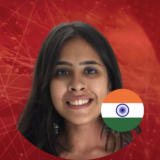
Arshiya has been passionate about studying politics and policy regulation since high school. This translated to her getting a bachelor’s in Political Science (Hons.) from the University of Delhi. Upon graduation, she chose to follow her passion for academia and sought admission for a Master in Public Policy at St. Xavier’s College, Mumbai where she submitted her dissertation on the Right to Health and Differentiated Disease Burden. While studying, she pursued internships at the Parliament of India, policy think tanks, and NGOs. Before joining UNITE, she was a Legislative Assistant to a Member of Parliament (LAMP Fellow) in India where via her assigned MP she raised interventions on matters of public/ national importance, filed parliamentary questions, analyzed various legislations for parliamentary discussions, curated speeches for her MP among others. Arshiya joined UNITE, as both her passions for public health policy and engagement with parliamentarians come together. She advocates that change manifests through action driven by research and dialogue which is what she intends to commit to her position at UNITE. She loves to travel and successfully convinces people to try new adventure sports with her.
Chair
Parliamentarian Engagement and Policy Officer
New Dehli
open bio
Arshiya has been passionate about studying politics and policy regulation since high school. This translated to her getting a bachelor’s in Political Science (Hons.) from the University of Delhi. Upon graduation, she chose to follow her passion for academia and sought admission for a Master in Public Policy at St. Xavier’s College, Mumbai where she submitted her dissertation on the Right to Health and Differentiated Disease Burden. While studying, she pursued internships at the Parliament of India, policy think tanks, and NGOs. Before joining UNITE, she was a Legislative Assistant to a Member of Parliament (LAMP Fellow) in India where via her assigned MP she raised interventions on matters of public/ national importance, filed parliamentary questions, analyzed various legislations for parliamentary discussions, curated speeches for her MP among others. Arshiya joined UNITE, as both her passions for public health policy and engagement with parliamentarians come together. She advocates that change manifests through action driven by research and dialogue which is what she intends to commit to her position at UNITE. She loves to travel and successfully convinces people to try new adventure sports with her.
Beatriz graduated with a degree in Political Science and International Relations from NOVA University in Lisbon and is currently completing a Master’s in Global Health at Maastricht University in the Netherlands. Her academic experience has allowed her to develop skills in global health topics, program development, policy analysis, and collaboration with the international student community on diverse academic projects.
At UNITE, Béatriz has been working in Parliamentary Engagement for the past year, gaining experience in recruiting and engaging with network members, as well as organizing regional events. Béatriz is passionate about advancing advocacy in global health and hopes to continue making an impact through UNITE’s mission.
Chair
Parliamentarian Engagement and Policy Officer
open bio
Beatriz graduated with a degree in Political Science and International Relations from NOVA University in Lisbon and is currently completing a Master’s in Global Health at Maastricht University in the Netherlands. Her academic experience has allowed her to develop skills in global health topics, program development, policy analysis, and collaboration with the international student community on diverse academic projects.
At UNITE, Béatriz has been working in Parliamentary Engagement for the past year, gaining experience in recruiting and engaging with network members, as well as organizing regional events. Béatriz is passionate about advancing advocacy in global health and hopes to continue making an impact through UNITE’s mission.
Jasmine leads the Comms Team at UNITE, helping communicate its mission and show its impact on global health. She began her career in public relations, supporting healthtech startups and purpose-led summits, before moving into events. Her experience includes project managing the 2,000-person Schools Climate Assembly, the Smiley Charity Film Awards, and working for Greenbelt Festival—always with a focus on social impact, creative thinking, and delivery under pressure. Jasmine holds a degree in Philosophy, Politics and Economics from the University of Leeds, where she specialized in criminal justice and international politics. In 2024, she fulfilled a long-time dream of relocating to Lisbon, inspired by its beauty, culture, and a sense of adventure.
Chair
Head of Communications and Impact
open bio
Jasmine leads the Comms Team at UNITE, helping communicate its mission and show its impact on global health. She began her career in public relations, supporting healthtech startups and purpose-led summits, before moving into events. Her experience includes project managing the 2,000-person Schools Climate Assembly, the Smiley Charity Film Awards, and working for Greenbelt Festival—always with a focus on social impact, creative thinking, and delivery under pressure. Jasmine holds a degree in Philosophy, Politics and Economics from the University of Leeds, where she specialized in criminal justice and international politics. In 2024, she fulfilled a long-time dream of relocating to Lisbon, inspired by its beauty, culture, and a sense of adventure.
Sofia graduated with a degree in Sociology from ISCTE-IUL in Lisbon, and is currently completing a Master’s in International Studies at the same university. Her academic experience has provided her both theoretical insights into international affairs and practical communication and design skills, a combination that strongly supports UNITE’s work.
Before joining UNITE, Sofia completed several internships, ranging from work on Human Rights at the Permanent Mission of Portugal to the United Nations in Geneva, to supporting NGOs focused on migrants and refugees, as well as children’s education.
Alongside her academic and professional experience, Sofia has remained actively involved in volunteer work, including being a Girl Guide for 15 years, helping manage her local Refood centre, and contributing to several other community initiatives.
More recently, she has developed an interest in outdoor running and enjoys travelling and learning about different cultures and perspectives.
Chair
Communications and Design Officer
open bio
Sofia graduated with a degree in Sociology from ISCTE-IUL in Lisbon, and is currently completing a Master’s in International Studies at the same university. Her academic experience has provided her both theoretical insights into international affairs and practical communication and design skills, a combination that strongly supports UNITE’s work.
Before joining UNITE, Sofia completed several internships, ranging from work on Human Rights at the Permanent Mission of Portugal to the United Nations in Geneva, to supporting NGOs focused on migrants and refugees, as well as children’s education.
Alongside her academic and professional experience, Sofia has remained actively involved in volunteer work, including being a Girl Guide for 15 years, helping manage her local Refood centre, and contributing to several other community initiatives.
More recently, she has developed an interest in outdoor running and enjoys travelling and learning about different cultures and perspectives.
Sara Leal is a Management Officer at UNITE – Parliamentarians Network for Global Health, where she supports the organization’s operations, coordination, and internal management processes. She holds a degree in Management from Católica Lisbon School of Business and Economics and recently completed a Master’s in Impact Entrepreneurship and Innovation at NOVA SBE.
Before joining UNITE, Sara was Project Director at Just a Change, where she coordinated volunteer-driven social impact initiatives and multidisciplinary teams. She also completed an intensive course in financial consulting, further strengthening her management and organizational skills.
Sara has long been involved in volunteering and community-based initiatives, particularly in projects focused on social inclusion and youth engagement. She is passionate about impact-driven work and about contributing to organizations that create meaningful social change.
open bio
Sara Leal is a Management Officer at UNITE – Parliamentarians Network for Global Health, where she supports the organization’s operations, coordination, and internal management processes. She holds a degree in Management from Católica Lisbon School of Business and Economics and recently completed a Master’s in Impact Entrepreneurship and Innovation at NOVA SBE.
Before joining UNITE, Sara was Project Director at Just a Change, where she coordinated volunteer-driven social impact initiatives and multidisciplinary teams. She also completed an intensive course in financial consulting, further strengthening her management and organizational skills.
Sara has long been involved in volunteering and community-based initiatives, particularly in projects focused on social inclusion and youth engagement. She is passionate about impact-driven work and about contributing to organizations that create meaningful social change.
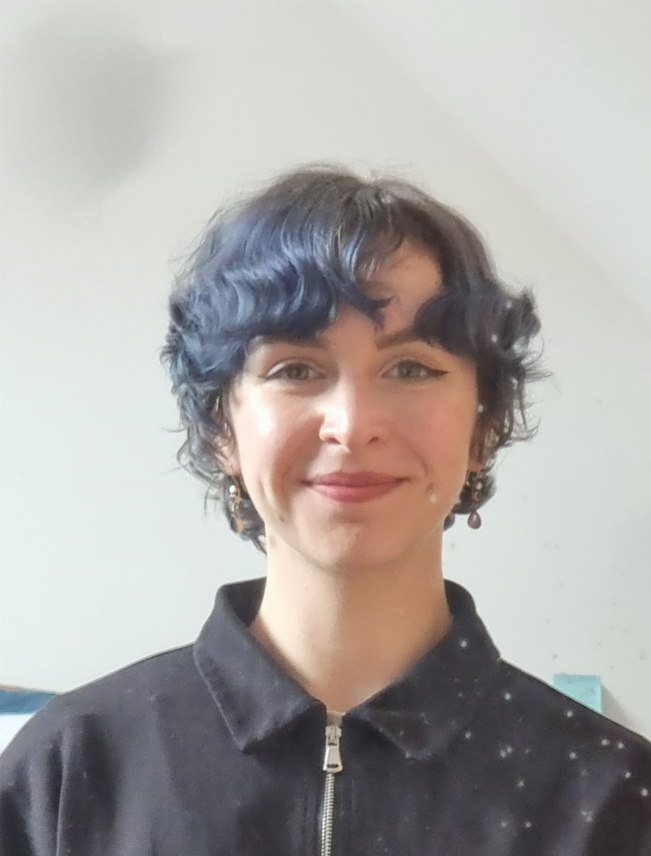
Giulia is a Global Health Officer at UNITE, where she draws on extensive experience across European policy and institutions. She holds Master’s degrees in Public Policy and International Relations and in European History, and is completing a PhD in Transnational Governance at the Scuola Normale Superiore, where her research focuses on gender equality in the post-pandemic recovery in Europe.
Giulia has a deep understanding of the EU sphere, gained from both sides of the policy world. At the institutional level, she has worked at the European Commission and the Italian Permanent Representation to the EU. In the private sector, she worked at a Brussels-based consultancy specialising in rare diseases and Advanced Therapy Medicinal Products (ATMPs), and at the European Social Observatory, a research centre working on EU social policy. In her work for UNITE, Giulia leverages this blend of direct and research-based insight into EU institutional dynamics to engage with European institutions and decision-makers.
The eldest of five, Giulia developed her instinct for diplomacy and negotiation early. She loves baked goods, spicy food, and oolong tea.
Chair
Global Health Officer
Brussels
open bio
Giulia is a Global Health Officer at UNITE, where she draws on extensive experience across European policy and institutions. She holds Master’s degrees in Public Policy and International Relations and in European History, and is completing a PhD in Transnational Governance at the Scuola Normale Superiore, where her research focuses on gender equality in the post-pandemic recovery in Europe.
Giulia has a deep understanding of the EU sphere, gained from both sides of the policy world. At the institutional level, she has worked at the European Commission and the Italian Permanent Representation to the EU. In the private sector, she worked at a Brussels-based consultancy specialising in rare diseases and Advanced Therapy Medicinal Products (ATMPs), and at the European Social Observatory, a research centre working on EU social policy. In her work for UNITE, Giulia leverages this blend of direct and research-based insight into EU institutional dynamics to engage with European institutions and decision-makers.
The eldest of five, Giulia developed her instinct for diplomacy and negotiation early. She loves baked goods, spicy food, and oolong tea.
Lídia Biai is a Policy Officer for Mental Health at UNITE – Parliamentarians Network for Global Health, where she works to strengthen political and legislative commitment to mental health in Portuguese-speaking African countries.
She holds a degree in International Relations from Universidade Lusíada and is currently pursuing a Master’s in Strategy at ISCSP – University of Lisbon. She was awarded by the Amaro da Costa Institute (IDL), with the support of the Konrad Adenauer Foundation, for her essay “The Territorial Discontinuity of the CPLP as a Strategic Advantage for Portugal – Guinea-Bissau in ECOWAS.”
Driven by both academic and professional experience, Lídia is committed to advancing the Portuguese-speaking community as a platform for political cooperation and strategic engagement, with the potential to foster global health, sustainable development, and regional integration.
Chair
Mental Health Officer (Lusophone)
open bio
Lídia Biai is a Policy Officer for Mental Health at UNITE – Parliamentarians Network for Global Health, where she works to strengthen political and legislative commitment to mental health in Portuguese-speaking African countries.
She holds a degree in International Relations from Universidade Lusíada and is currently pursuing a Master’s in Strategy at ISCSP – University of Lisbon. She was awarded by the Amaro da Costa Institute (IDL), with the support of the Konrad Adenauer Foundation, for her essay “The Territorial Discontinuity of the CPLP as a Strategic Advantage for Portugal – Guinea-Bissau in ECOWAS.”
Driven by both academic and professional experience, Lídia is committed to advancing the Portuguese-speaking community as a platform for political cooperation and strategic engagement, with the potential to foster global health, sustainable development, and regional integration.
Mahi Ramakrishnan is a public policy specialist whose work sits at the intersection of forced migration, gender, human rights, and security in Southeast Asia. Over three decades, she has engaged parliamentarians, government stakeholders, and regional institutions on issues ranging from refugee protection and human trafficking to migration governance and violent-extremism.
Over the past three years, Mahi has focused extensively on conflict-related sexual violence (CRSV) in Myanmar, working with lawmakers and civil society actors to advocate for ASEAN recognition of CRSV as a regional policy priority. Her efforts have included promoting monitoring and accountability mechanisms within Ethnic Armed Organisations (EAOs), strengthening survivor-centred reporting pathways, and advancing policy dialogue on protection and redress.
As an investigative filmmaker, she has produced documentaries on trafficking, people smuggling, and the commercial sexual exploitation of children in Malaysia. Mahi is also a poet and the author of a body of work that reimagine the Hindu goddess Kali as a political and feral figure through which she explores power, resistance, displacement, and justice.
Chair
Senior Drug Policy Officer
Kuala Lumpur
open bio
Mahi Ramakrishnan is a public policy specialist whose work sits at the intersection of forced migration, gender, human rights, and security in Southeast Asia. Over three decades, she has engaged parliamentarians, government stakeholders, and regional institutions on issues ranging from refugee protection and human trafficking to migration governance and violent-extremism.
Over the past three years, Mahi has focused extensively on conflict-related sexual violence (CRSV) in Myanmar, working with lawmakers and civil society actors to advocate for ASEAN recognition of CRSV as a regional policy priority. Her efforts have included promoting monitoring and accountability mechanisms within Ethnic Armed Organisations (EAOs), strengthening survivor-centred reporting pathways, and advancing policy dialogue on protection and redress.
As an investigative filmmaker, she has produced documentaries on trafficking, people smuggling, and the commercial sexual exploitation of children in Malaysia. Mahi is also a poet and the author of a body of work that reimagine the Hindu goddess Kali as a political and feral figure through which she explores power, resistance, displacement, and justice.
Karim has a background in Social Work & Sociology, and for close to a decade has worked as a journalist in Ghana. In those years, he worked with high-level state officials (including Members of Parliament) as well as experts in academia and civil society on broad issues of development including public health. He is passionate about social protection and human rights. At UNITE, Karim hopes to draw on his experiences in Ghana and deep understanding of Africa broadly to help expand the network and impact of UNITE.
He has other interests too: watching football and reading philosophy right, with Wine!
open bio
Karim has a background in Social Work & Sociology, and for close to a decade has worked as a journalist in Ghana. In those years, he worked with high-level state officials (including Members of Parliament) as well as experts in academia and civil society on broad issues of development including public health. He is passionate about social protection and human rights. At UNITE, Karim hopes to draw on his experiences in Ghana and deep understanding of Africa broadly to help expand the network and impact of UNITE.
He has other interests too: watching football and reading philosophy right, with Wine!